6 Tips To Defend Your Pc Against Viruses And Worms Here
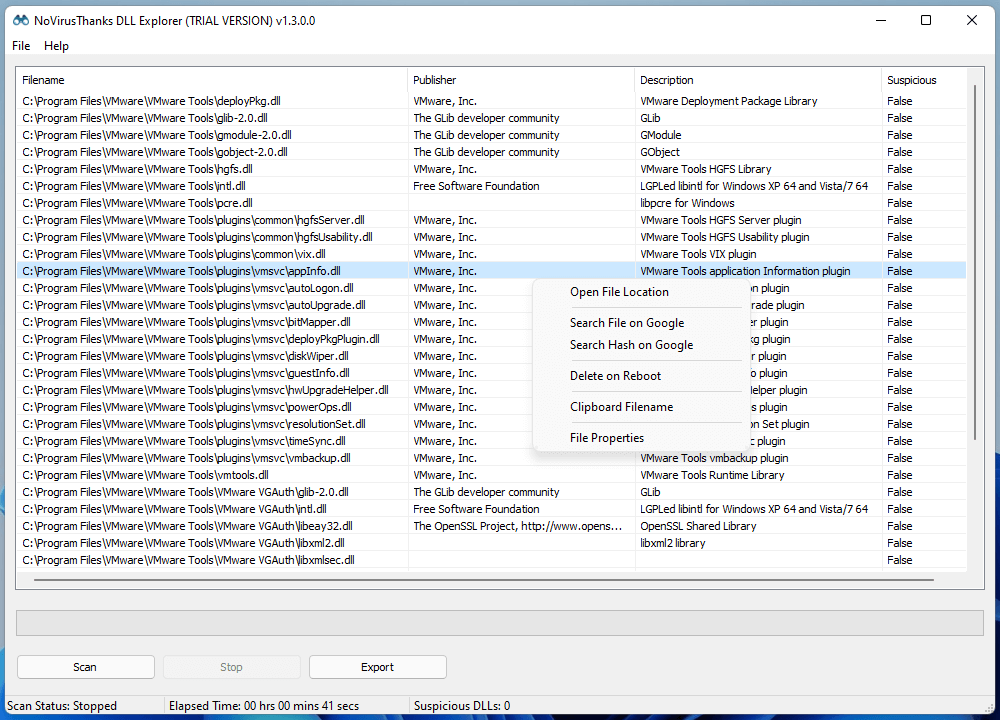
DLL Explorer is a useful utility which lists all loaded DLLs across all
running processes. To simplify the analysis
of loaded DLLs, the program lists only unique and non-system DLL files, along with the file publisher and description.
A one-click save log can also be created making system snapshots simple.
For Windows 7 SP1, 8, 8.1, 10, 11 (32/64-bit)
6 Tips To Defend Your Pc Against Viruses And Worms Here
Only download software from official websites. 5. Strengthen Your Passwords
The most common way worms spread is through human error. Be skeptical of: 6 Tips to Defend Your PC Against Viruses and Worms
Even if they look like they're from a friend, verify before opening. Pop-up ads: Use an ad-blocker to avoid "malvertising." Only download software from official websites
While antivirus looks at files, a firewall looks at traffic. It monitors the data entering and leaving your computer through the internet, blocking unauthorized access. Most operating systems have a firewall built-in; just double-check your settings to ensure it’s turned on. 4. Practice "Think Before You Click" Be skeptical of: Even if they look like
Hackers love "exploits"—security holes in old software. When Windows, macOS, or your browser asks to update, do it immediately. These updates often include critical security patches that act like a digital shield against the latest threats. 2. Use Reliable Antivirus Software
A virus that steals your login info is useless if it can’t crack your password. Use a mix of letters, numbers, and symbols. Better yet, use a and enable Two-Factor Authentication (2FA) . This adds a second layer of defense that a virus can't easily bypass. 6. Back Up Your Data Regularly
Only download software from official websites. 5. Strengthen Your Passwords
The most common way worms spread is through human error. Be skeptical of:
Even if they look like they're from a friend, verify before opening. Pop-up ads: Use an ad-blocker to avoid "malvertising."
While antivirus looks at files, a firewall looks at traffic. It monitors the data entering and leaving your computer through the internet, blocking unauthorized access. Most operating systems have a firewall built-in; just double-check your settings to ensure it’s turned on. 4. Practice "Think Before You Click"
Hackers love "exploits"—security holes in old software. When Windows, macOS, or your browser asks to update, do it immediately. These updates often include critical security patches that act like a digital shield against the latest threats. 2. Use Reliable Antivirus Software
A virus that steals your login info is useless if it can’t crack your password. Use a mix of letters, numbers, and symbols. Better yet, use a and enable Two-Factor Authentication (2FA) . This adds a second layer of defense that a virus can't easily bypass. 6. Back Up Your Data Regularly