.b3moknah { Vertical-align:top; Cursor: Pointe... -
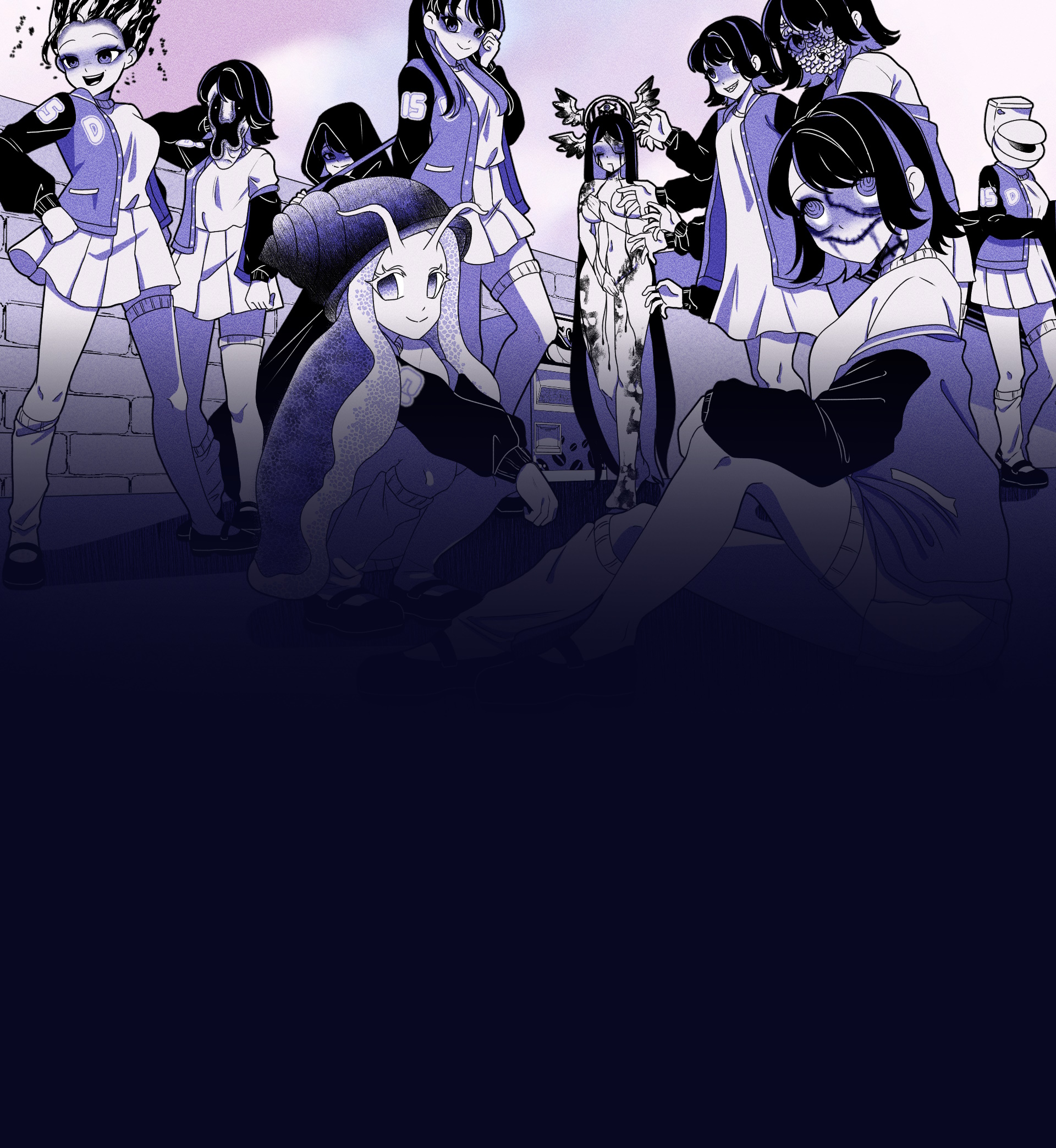
A unique visual novel where you explore a mysterious coffee machine that can dispense any liquid imaginable
A unique visual novel where you explore a mysterious coffee machine that can dispense any liquid imaginable
Experience this unique visual novel interactive simulation game directly in your browser. No downloads required!
Click the button below to load and start the game .b3MoKnAh { vertical-align:top; cursor: pointe...
Visual Novel
30-60 minutes
Single Player
Web Browser
Large-scale web applications like Google use "CSS-in-JS" or automated build tools that "minify" and "hash" class names. This serves two main purposes:
: This aligns the element (often an icon, image, or text container) to the top of its parent line, ensuring layout consistency among neighboring elements [1].
Because it is a machine-generated class name, its specific name (the string "b3MoKnAh") is not meaningful and can change frequently as Google updates its code. However, the properties assigned to it provide insight into its function:
: It prevents style "leakage," ensuring that the styles for one specific component don't accidentally interfere with others [2].
The CSS class .b3MoKnAh is an obfuscated or dynamically generated selector, most notably associated with the results interface [1, 2].
: Shorter names like .b3MoKnAh reduce the overall size of the CSS file compared to descriptive names like .search-result-clickable-thumbnail [2].
: This changes the mouse cursor to a hand icon, signaling to the user that the element is clickable [1]. Why do sites use names like this?
Discover what makes Anomalous Coffee Machine an unforgettable gaming experience
Interact with a mysterious vending machine that can dispense any liquid imaginable, possible or impossible.
Type in any word you can think of and see if the machine can dispense it. Endless possibilities await.
Experience a wide range of transformations and effects based on what you choose to drink.
Enjoy a rich visual experience with numerous animated scenes and visual effects.
Immerse yourself in an extensive narrative with over 100,000 words of dialogue and story content.
Interact with a mysterious girl who guides you through the experience of the anomalous machine.
Large-scale web applications like Google use "CSS-in-JS" or automated build tools that "minify" and "hash" class names. This serves two main purposes:
: This aligns the element (often an icon, image, or text container) to the top of its parent line, ensuring layout consistency among neighboring elements [1].
Because it is a machine-generated class name, its specific name (the string "b3MoKnAh") is not meaningful and can change frequently as Google updates its code. However, the properties assigned to it provide insight into its function:
: It prevents style "leakage," ensuring that the styles for one specific component don't accidentally interfere with others [2].
The CSS class .b3MoKnAh is an obfuscated or dynamically generated selector, most notably associated with the results interface [1, 2].
: Shorter names like .b3MoKnAh reduce the overall size of the CSS file compared to descriptive names like .search-result-clickable-thumbnail [2].
: This changes the mouse cursor to a hand icon, signaling to the user that the element is clickable [1]. Why do sites use names like this?