Related posts
Marc-Andre ChartrandMarch 05 20263 Min Read
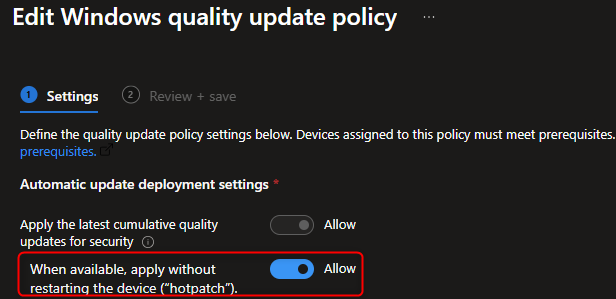
How to Configure Windows Hotpatch with Intune
Microsoft has introduced Hotpatch for Windows 11 Enterprise, a feature that allows you to apply...

Jonathan LefebvreNovember 14 20259 Min Read
Step-by-Step SCCM 2509 Upgrade Guide
Microsoft has released the second SCCM version for 2025, as the release cadence is now reduced to...

Jonathan LefebvreSeptember 08 20257 Min Read
Deploy Windows 10 Extended security update key (ESU) with Intune or SCCM
With Windows 10 support ending October 14, 2025, organizations face a critical choice: upgrade to...


: A proximate cause is the immediate trigger—for example, a match lighting a fire. The ultimate cause is the deeper reason—why the oxygen, fuel, and heat were all in that place at that time.
Every action is the result of a complex web of preceding events. Scientists and philosophers often look at causes through different lenses to understand this complexity:
Humans are biologically wired to look for patterns and causes. This drive is at the heart of our most important disciplines:
: In complex systems like weather or economics, a tiny initial cause (the metaphorical flap of a butterfly's wings) can lead to vastly different outcomes over time. Why We Seek "The Why"
: A necessary cause must be present for an effect to occur (you need oxygen for fire), while a sufficient cause is enough on its own to produce the effect (a lightning strike is enough to start a forest fire).
: To understand a revolution or an economic shift, we must look at the underlying social and political causes.
: Reflecting on the causes of our own behaviors helps us make better choices in the future. Common "Signal Words" for Cause and Effect
: As a result , consequently , therefore , thus , so . Cause and Effect Using Informational Text