: The procedure doesn't just grant facts; it grants "skills," suggesting that procedural and episodic memories are intertwined in ways that can fundamentally reshape a person's behavior. Production Context
: Jerico Stewart (Kevin Costner), a dangerous convict with a history of extreme violence, is chosen because of childhood brain damage to his frontal lobe that left him as a functional sociopath with a total lack of empathy. Thematic Analysis: Identity and Morality
: The film features an ensemble of Academy Award winners and nominees, including Kevin Costner, Gary Oldman, and Tommy Lee Jones—reuniting them for the first time since JFK (1991). Criminal (2016)
: Dr. Franks (Tommy Lee Jones) performs a memory "duplication" rather than a transfer. The technology is described as being five years away from human trials, underscoring the experimental and desperate nature of the surgery.
: Critical reception was mixed, with many reviewers noting that while the central performance by Costner was strong, the film often succumbed to generic action tropes and a "clunky" setup. Criminal (2016) - IMDb : The procedure doesn't just grant facts; it
: As Pope’s memories take root, Jerico begins to experience the agent's emotions and moral compass. The film explores whether a person is merely the sum of their memories; Jerico finds himself unable to continue his previous life of pure impulse as he adopts Pope’s love for his family (Gal Gadot) and his sense of duty.
The narrative centers on a high-stakes CIA operation to retrieve vital information from a deceased agent, Bill Pope (Ryan Reynolds), who was the only person who knew the location of a hacker known as "The Dutchman" (Michael Pitt). : Critical reception was mixed, with many reviewers
The 2016 film Criminal , directed by Ariel Vromen, presents a science-fiction exploration of memory, identity, and the neurobiology of morality. While the film is not based on a true story, it draws on real-world concepts in neuroscience, particularly the role of the frontal lobe in personality and the theoretical field of memory implantation.
: The procedure doesn't just grant facts; it grants "skills," suggesting that procedural and episodic memories are intertwined in ways that can fundamentally reshape a person's behavior. Production Context
: Jerico Stewart (Kevin Costner), a dangerous convict with a history of extreme violence, is chosen because of childhood brain damage to his frontal lobe that left him as a functional sociopath with a total lack of empathy. Thematic Analysis: Identity and Morality
: The film features an ensemble of Academy Award winners and nominees, including Kevin Costner, Gary Oldman, and Tommy Lee Jones—reuniting them for the first time since JFK (1991).
: Dr. Franks (Tommy Lee Jones) performs a memory "duplication" rather than a transfer. The technology is described as being five years away from human trials, underscoring the experimental and desperate nature of the surgery.
: Critical reception was mixed, with many reviewers noting that while the central performance by Costner was strong, the film often succumbed to generic action tropes and a "clunky" setup. Criminal (2016) - IMDb
: As Pope’s memories take root, Jerico begins to experience the agent's emotions and moral compass. The film explores whether a person is merely the sum of their memories; Jerico finds himself unable to continue his previous life of pure impulse as he adopts Pope’s love for his family (Gal Gadot) and his sense of duty.
The narrative centers on a high-stakes CIA operation to retrieve vital information from a deceased agent, Bill Pope (Ryan Reynolds), who was the only person who knew the location of a hacker known as "The Dutchman" (Michael Pitt).
The 2016 film Criminal , directed by Ariel Vromen, presents a science-fiction exploration of memory, identity, and the neurobiology of morality. While the film is not based on a true story, it draws on real-world concepts in neuroscience, particularly the role of the frontal lobe in personality and the theoretical field of memory implantation.

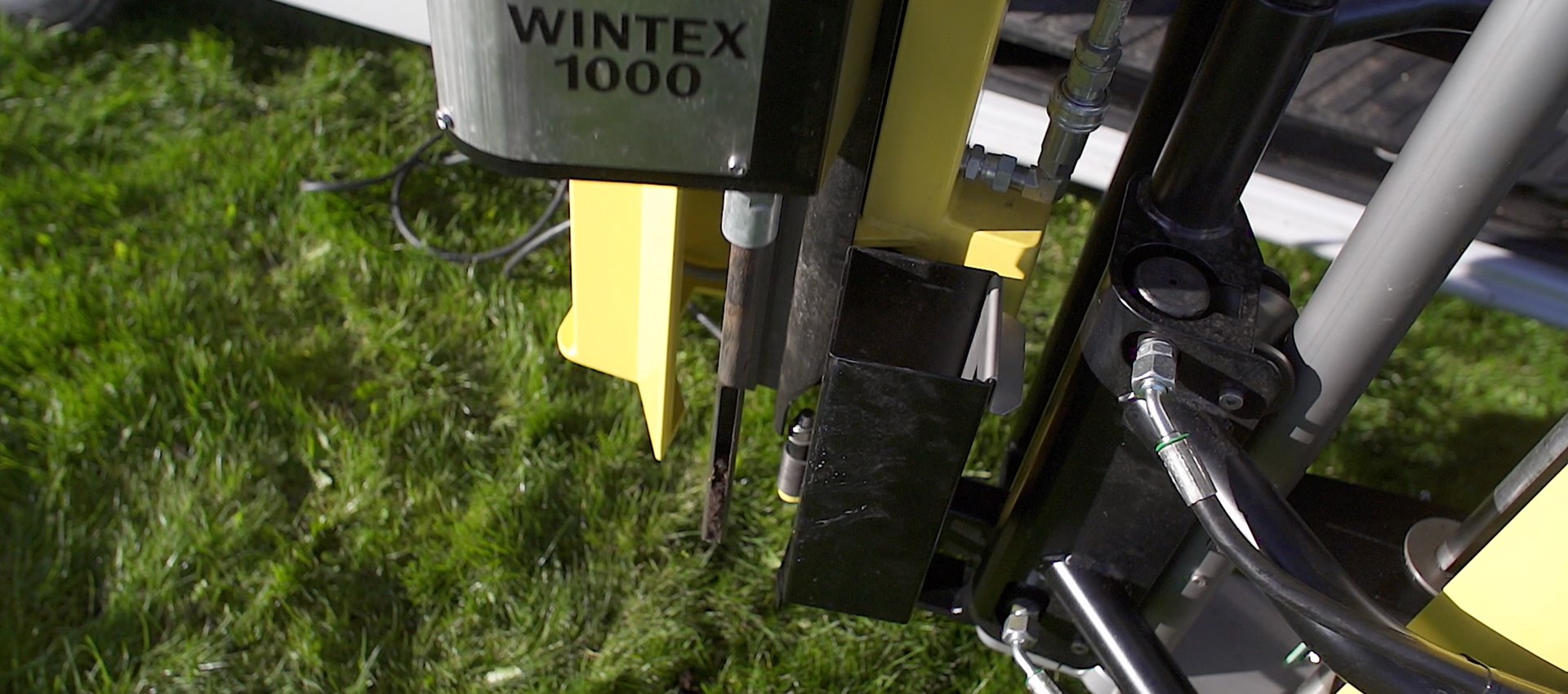
Our technology and equipment is designed for taking soil samples in all depths. Because precision and thoroughness matters and is a claim at all levels of soil analysis. We are going down into the depth – if necessary down to 200 cm. Simply as deep as necessary.
The owner of Wintex Agro is Torben Vinther who is educated and examined in agriculture and the cultivation of plants. With his outstanding know-how and great experience within precision farming and farming in general, he has specialized in developing and manufacturing automatic soil samplers.