

MRE 220 SE
Unerschütterlich und doch flexibel

Unerschütterlich und doch flexibel


Der neue HP 700 SE ist ein Röhrenvorverstärker, der sowohl mit neuartiger Präzisionstechnologie aufwartet als auch mit klanglichen Verfeinerungen der Ausgangsstufe.
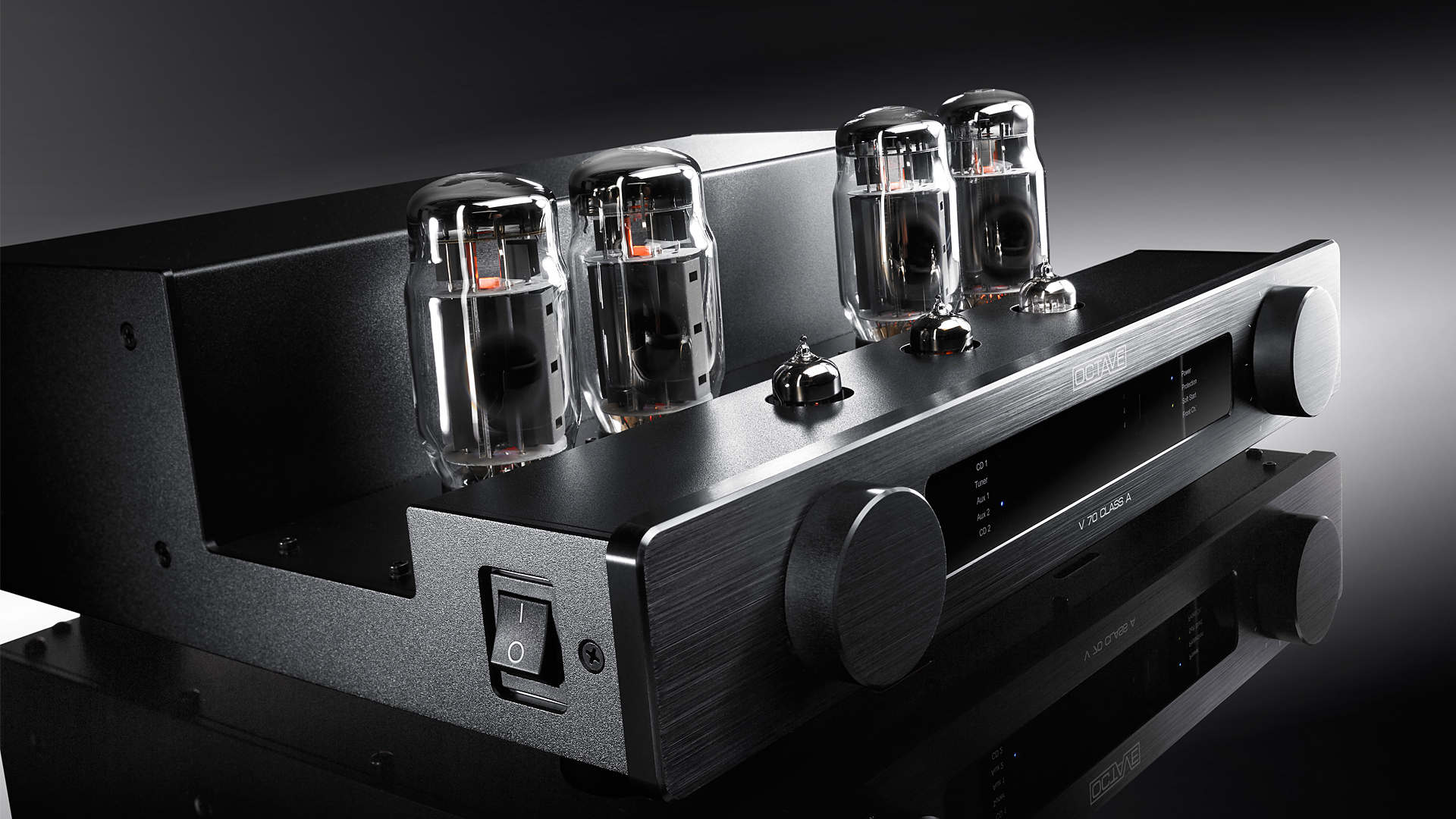

Erstmals ist ein Class-A-Verstärker eine klare Empfehlung für alle Musikrichtungen und ganz normale Lautsprecher. Download File A ESTRUTURA DA MAGIA - RICHARD BA...
They began "modeling" the titans of therapy—Fritz Perls and Virginia Satir—watching them like hawks to decipher the invisible patterns in their speech. They realized that these masters weren't just lucky; they were intuitively using a precise linguistic architecture to rebuild their clients' shattered realities.
In the late 1960s, a chance meeting at the University of California, Santa Cruz, sparked a revolution in the understanding of human potential. Richard Bandler, a rebellious mathematics student, and John Grinder, a brilliant linguistics professor, shared a radical obsession: Why do some people create miracles while others remain stuck?
The work didn't just change psychology; it became the cornerstone of Neuro-Linguistic Programming (NLP). It stripped away the mysticism of change, proving that transformation is a replicable structure rather than a mysterious gift.
This investigation birthed The Structure of Magic . The book revealed that our language is not just a tool for communication, but a map of our world. When that map is impoverished, we suffer. By asking specific, "magical" questions, Bandler and Grinder showed how to challenge the deletions, generalizations, and distortions in a person’s mind, effectively redrawing their internal map to allow for new choices and freedom.
They began "modeling" the titans of therapy—Fritz Perls and Virginia Satir—watching them like hawks to decipher the invisible patterns in their speech. They realized that these masters weren't just lucky; they were intuitively using a precise linguistic architecture to rebuild their clients' shattered realities.
In the late 1960s, a chance meeting at the University of California, Santa Cruz, sparked a revolution in the understanding of human potential. Richard Bandler, a rebellious mathematics student, and John Grinder, a brilliant linguistics professor, shared a radical obsession: Why do some people create miracles while others remain stuck?
The work didn't just change psychology; it became the cornerstone of Neuro-Linguistic Programming (NLP). It stripped away the mysticism of change, proving that transformation is a replicable structure rather than a mysterious gift.
This investigation birthed The Structure of Magic . The book revealed that our language is not just a tool for communication, but a map of our world. When that map is impoverished, we suffer. By asking specific, "magical" questions, Bandler and Grinder showed how to challenge the deletions, generalizations, and distortions in a person’s mind, effectively redrawing their internal map to allow for new choices and freedom.