
0%
Filled with laugh-out-loud hilarious text and cartoons, the Diary of a Wimpy Kid series follows Greg Heffley as he records the daily trials and triumphs of friendship, family life and middle school where undersized weaklings have to share the hallways with kids who are taller, meaner and already shaving! On top of all that, Greg must be careful to avoid the dreaded CHEESE TOUCH!
The first book in the series was published in 2007 and became instantly popular for its relatable humor. Today, more than 300 million copies have been sold around the world!
In the neon-soaked skyline of Neo-Veridia, the digital pulse of the city was controlled by "The Silk Stream," a high-end media conglomerate specializing in avant-garde, trans-positive entertainment. At the center of this empire was Jax, a visionary producer who had revolutionized the concept of "Tranny Thong Entertainment"—a term they had reclaimed and transformed into a high-fashion, synth-pop-infused media genre.
Elara felt the shift. The music intensified, vibrating through the stage. She turned her performance into a defiant, high-speed display of choreography. The media feed didn't just return; it became clearer, more vibrant, and impossible to ignore. The "Tranny Thong" aesthetic—once a niche underground subculture—was now the loudest voice in the digital world.
However, the broadcast faced a sudden threat. A rival network, traditionalist and threatened by the Stream's soaring ratings, attempted a massive DDOS attack to blackout the feed. The screen flickered, and for a moment, the nebula above Neo-Veridia dimmed.
The show ended with a standing ovation that echoed through the physical streets and the virtual chatrooms alike. Jax and Elara met backstage, the adrenaline still humming. They hadn't just produced content; they had secured a permanent place for their community in the future of global media, proving that identity, when fused with technology and art, is an unstoppable force.
The story begins on the night of the "Glass Runway," the year's most anticipated holographic broadcast. Jax stood behind the scenes, watching the data feeds as millions of viewers tuned in from across the globe. This wasn't just a fashion show; it was a narrative-driven experience. The performers, all trans women of incredible athletic and artistic caliber, wore "kinetic thongs"—garments embedded with fiber-optic sensors that translated their body movements into live music and immersive digital environments.
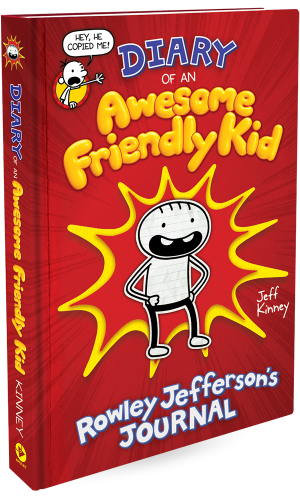
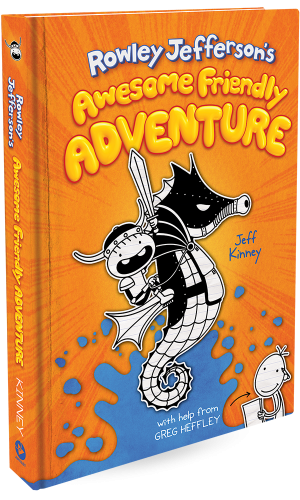
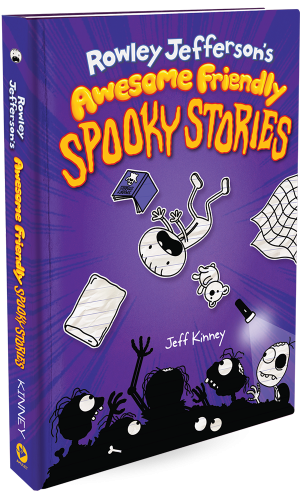
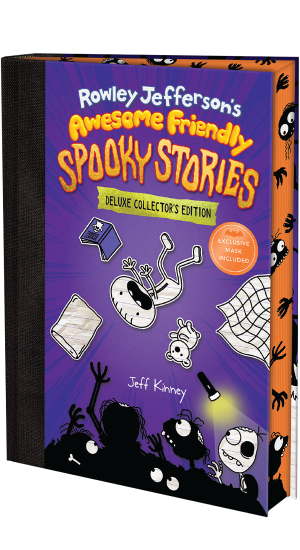
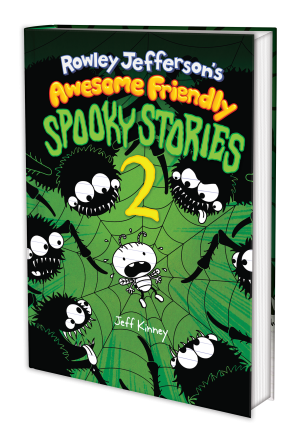
Get ready to see the Wimpy Kid world in a whole new way! Written and illustrated from the hilarious imagination of Greg Heffley’s best friend, Rowley Jefferson, the Awesome Friendly Kid series is filled with new adventures and vibrant stories that will have readers in stitches!
Click or scroll
through the books
tranny thong porn
In the neon-soaked skyline of Neo-Veridia, the digital pulse of the city was controlled by "The Silk Stream," a high-end media conglomerate specializing in avant-garde, trans-positive entertainment. At the center of this empire was Jax, a visionary producer who had revolutionized the concept of "Tranny Thong Entertainment"—a term they had reclaimed and transformed into a high-fashion, synth-pop-infused media genre.
Elara felt the shift. The music intensified, vibrating through the stage. She turned her performance into a defiant, high-speed display of choreography. The media feed didn't just return; it became clearer, more vibrant, and impossible to ignore. The "Tranny Thong" aesthetic—once a niche underground subculture—was now the loudest voice in the digital world.
However, the broadcast faced a sudden threat. A rival network, traditionalist and threatened by the Stream's soaring ratings, attempted a massive DDOS attack to blackout the feed. The screen flickered, and for a moment, the nebula above Neo-Veridia dimmed.
The show ended with a standing ovation that echoed through the physical streets and the virtual chatrooms alike. Jax and Elara met backstage, the adrenaline still humming. They hadn't just produced content; they had secured a permanent place for their community in the future of global media, proving that identity, when fused with technology and art, is an unstoppable force.
The story begins on the night of the "Glass Runway," the year's most anticipated holographic broadcast. Jax stood behind the scenes, watching the data feeds as millions of viewers tuned in from across the globe. This wasn't just a fashion show; it was a narrative-driven experience. The performers, all trans women of incredible athletic and artistic caliber, wore "kinetic thongs"—garments embedded with fiber-optic sensors that translated their body movements into live music and immersive digital environments.