SAP S/4HANA Transition Framework: A Roadmap Guide
Discover seamless SAP S/4HANA transition in this guide. Explore pathways from greenfield to conversion, boosting agility and innovation.

The most iconic legacy of USB 3.0 is the inside the port, a visual shorthand for "this one is fast." While we have since moved on to USB 3.1, 3.2, and the ubiquitous USB4/Thunderbolt era, USB 3.0 was the turning point. It proved that a single, simple connector could handle the heavy lifting of a professional workstation while remaining user-friendly enough for a grandmother to plug in a digital photo frame.
The brilliance of USB 3.0 lay in its "dual-bus" architecture. To maintain the universal promise of the brand, engineers had to ensure it was . If you look closely inside a USB 3.0 connector, you’ll see five new pins tucked deep in the back, while the original four pins remain at the front. USB 3.0
This wasn't just a minor tweak; it changed how we used technology. Suddenly, external hard drives weren't just for slow backups; they were fast enough to run software or edit video directly from the disk. The "waiting game" of the digital era had finally met its match. The Architecture of Efficiency The most iconic legacy of USB 3
In the history of computing, USB 3.0 represents the moment the "Universal" in its name truly started to mean "Powerful." It turned our peripherals from simple accessories into high-speed extensions of our digital lives. To maintain the universal promise of the brand,

Discover seamless SAP S/4HANA transition in this guide. Explore pathways from greenfield to conversion, boosting agility and innovation.
Learn how to simplify your database migration process with SAP DMO (Database Migration Option) of SUM, and ensure a seamless transition to your new system.
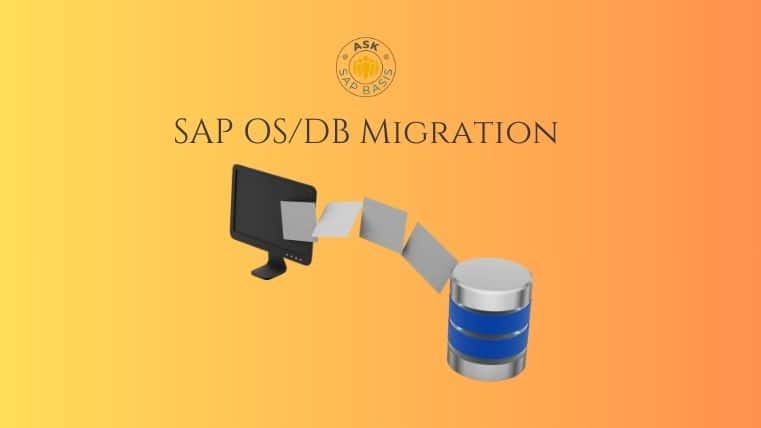
Migrating your SAP system? Whether you’re a beginner or experienced, learn the basics of SAP OS DB migration with ease through our step-by-step guide.

Introduction In the world of enterprise IT, SAP OS/DB migration isn’t just a routine technical upgrade — it’s a career-defining milestone. Whether you’re dealing with a homogeneous migration (same OS and DB) or a heterogeneous migration (different OS or DB), these projects are high-stakes, business-critical,…
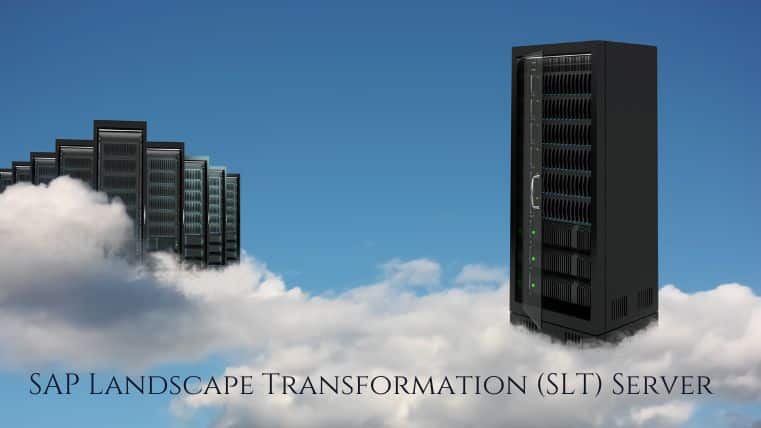
Explore the power of SAP Landscape Transformation (SLT) Replication Server and its role in seamless data replication and transformation within your SAP ecosystem. Learn how SLT enhances data integration and supports efficient business processes.

Discover SAP HANA replication strategies in simple terms. Get practical insights for high availability and data reliability in your digital journey.