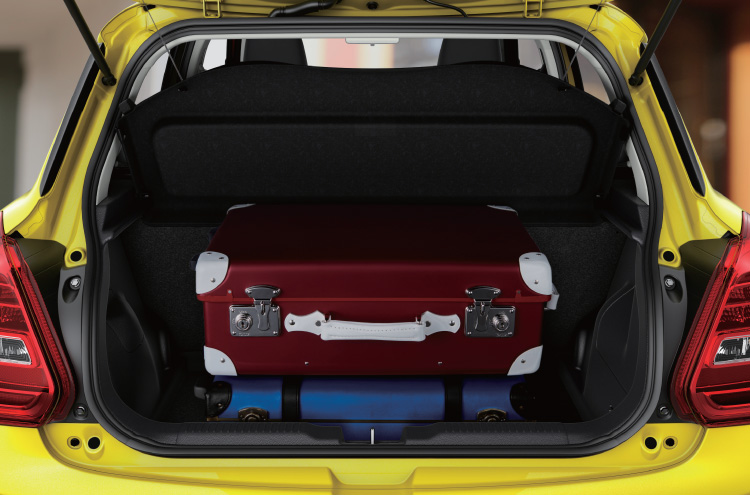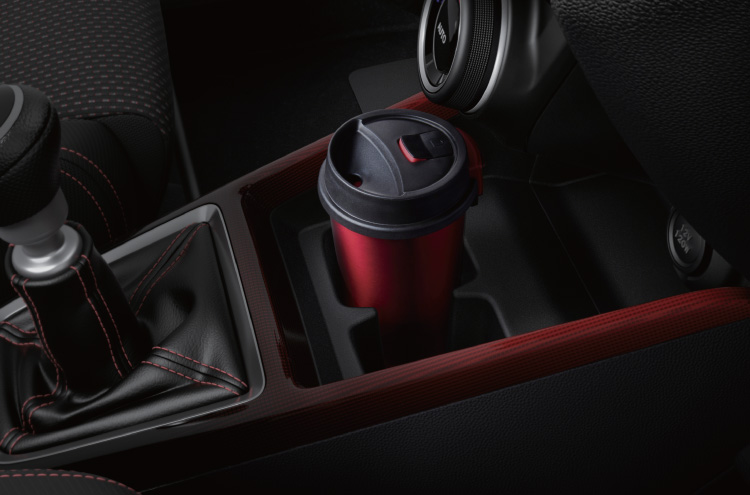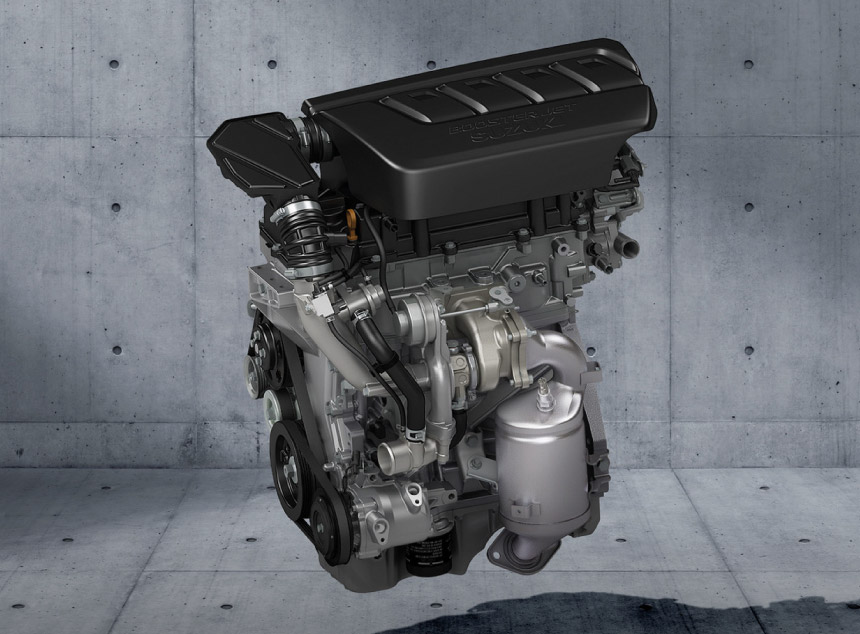


The icon returns with more fun and responsive performance!
DOWNLOAD BROCHURE BOOK A TEST DRIVEPERFORMANCE
The icon returns with more fun and responsive performance!
: Using a pre-trained model (like VGG16, ResNet, or AlexNet) to convert an image into a numerical vector (a "deep feature") for use in a simpler classifier like an SVM or k-Nearest Neighbors.
import torch import torchvision.models as models # Load a pre-trained model model = models.resnet50(pretrained=True) # Remove the last fully connected layer to get features feature_extractor = torch.nn.Sequential(*(list(model.children())[:-1])) # 'output' will be the deep feature vector for an input image # output = feature_extractor(input_image) Use code with caution. Copied to clipboard
The reference to and "deep feature" typically appears in the context of academic or technical assignments (often in computer vision or machine learning) where a student or developer is tasked with extracting or manipulating high-level representations from data. 1. What is a "Deep Feature"?
If you are working with Python (common for these tasks), deep features are typically extracted by removing the final classification layer of a model:
The filename zad1.zip (short for zadanie 1 , or "task 1" in several Slavic languages) suggests this is a specific homework assignment or project file. In this context, "deep feature" usually implies one of the following tasks:
: Using a pre-trained model (like VGG16, ResNet, or AlexNet) to convert an image into a numerical vector (a "deep feature") for use in a simpler classifier like an SVM or k-Nearest Neighbors.
import torch import torchvision.models as models # Load a pre-trained model model = models.resnet50(pretrained=True) # Remove the last fully connected layer to get features feature_extractor = torch.nn.Sequential(*(list(model.children())[:-1])) # 'output' will be the deep feature vector for an input image # output = feature_extractor(input_image) Use code with caution. Copied to clipboard zad1.zip
The reference to and "deep feature" typically appears in the context of academic or technical assignments (often in computer vision or machine learning) where a student or developer is tasked with extracting or manipulating high-level representations from data. 1. What is a "Deep Feature"? : Using a pre-trained model (like VGG16, ResNet,
If you are working with Python (common for these tasks), deep features are typically extracted by removing the final classification layer of a model: In this context, "deep feature" usually implies one
The filename zad1.zip (short for zadanie 1 , or "task 1" in several Slavic languages) suggests this is a specific homework assignment or project file. In this context, "deep feature" usually implies one of the following tasks:
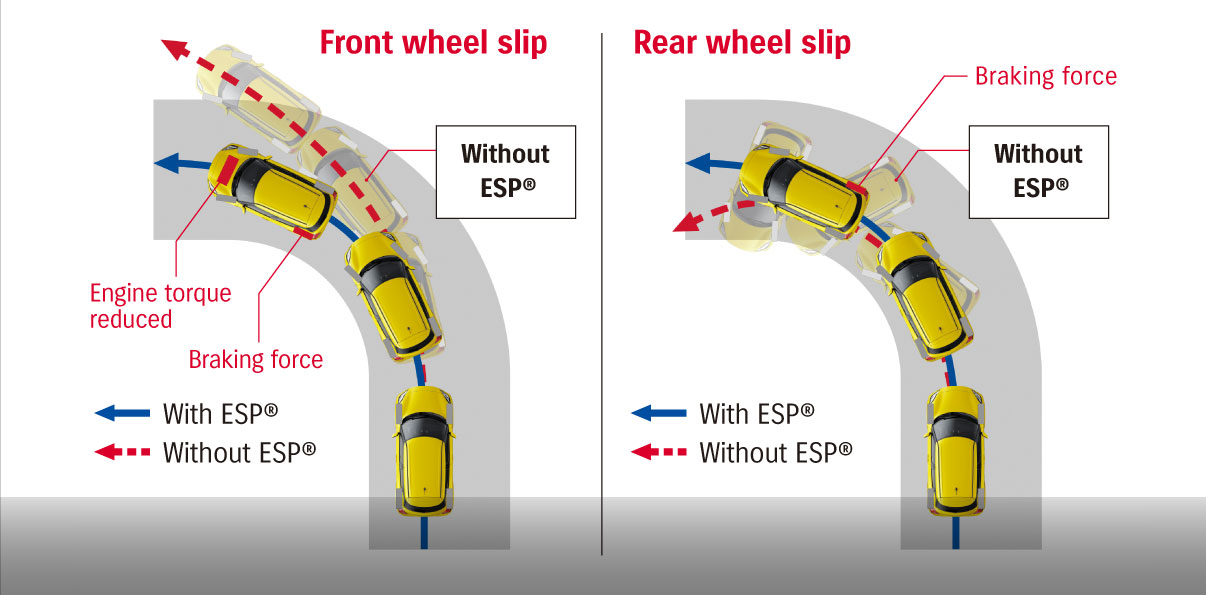
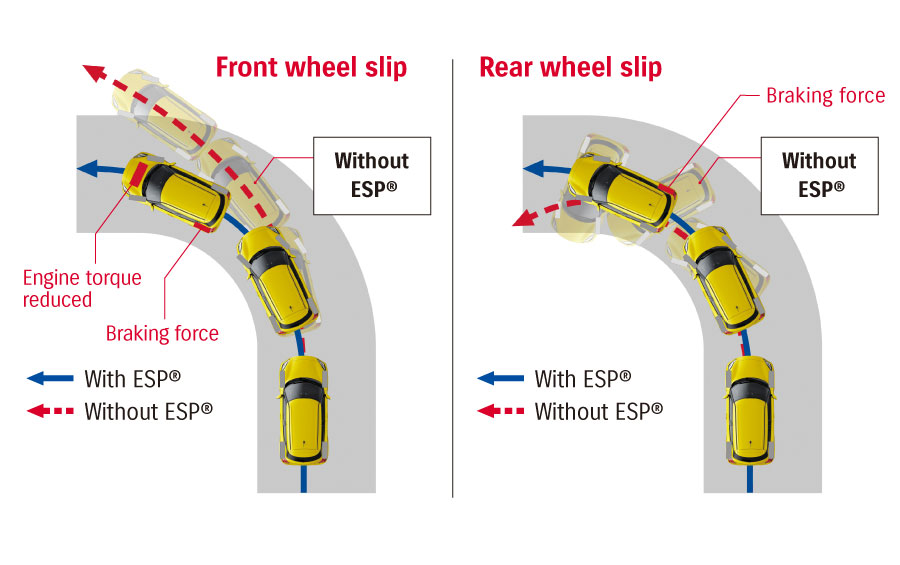
SAFETY
While the Suzuki Swift Sport offers adrenaline pumping driving experience, it is also equipped with necessary safety features to keep you safe at all times.
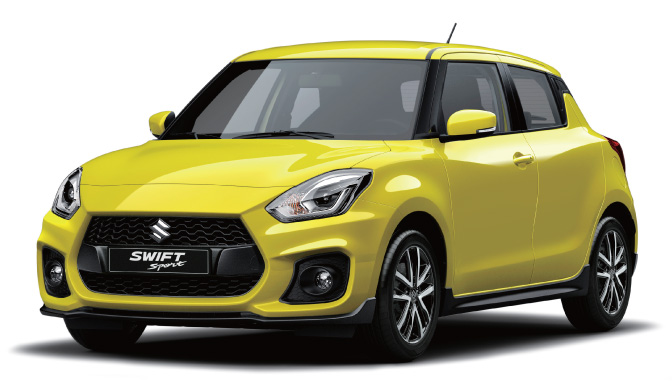





RM130,900.00 - Peninsular Malaysia
RM135,700.00 - East Malaysia