


: The lyrics plead for the return of "Gule" to end the separation ( Bitir şu hasreti dön gel ), questioning if she intends to take his life through this longing. 3. Artist Context: The Doğanay Musical Legacy
Analysis of (also known as "Gule" ) by Uygar Doğanay , focusing on its cultural context, lyrical themes, and the artist's musical lineage. 1. Song Overview and Release
The song's popularity is reflected in its presence across various social and karaoke platforms like Smule and Shazam , where it remains a staple for fans of Turkish emotional ballads. It resonates particularly with audiences who value the damar (vein) style—music intended to be felt deeply in the heart and soul. Uygar DoДџanayВ Vay HalД±ma
: The opening lines describe hitting one's head against stones ( Garip başım taştan taşa vursam ), illustrating extreme frustration.
: The refrain "Dağlar dayanmaz ahıma" (The mountains cannot withstand my cry) uses hyperbole to emphasize the weight of the singer's suffering. : The lyrics plead for the return of
: His work is known for emotional, "broken" vocal deliveries, often accompanied by traditional instruments like the bağlama alongside modern pop arrangements. 4. Cultural Impact
: Born in Istanbul (1988) and originally from Tunceli (Dersim) , he blends regional folk influences with urban Arabesque styles. : The opening lines describe hitting one's head
Uygar Doğanay is a prominent figure in the modern Turkish Arabesque scene, deeply rooted in a family of influential musicians:
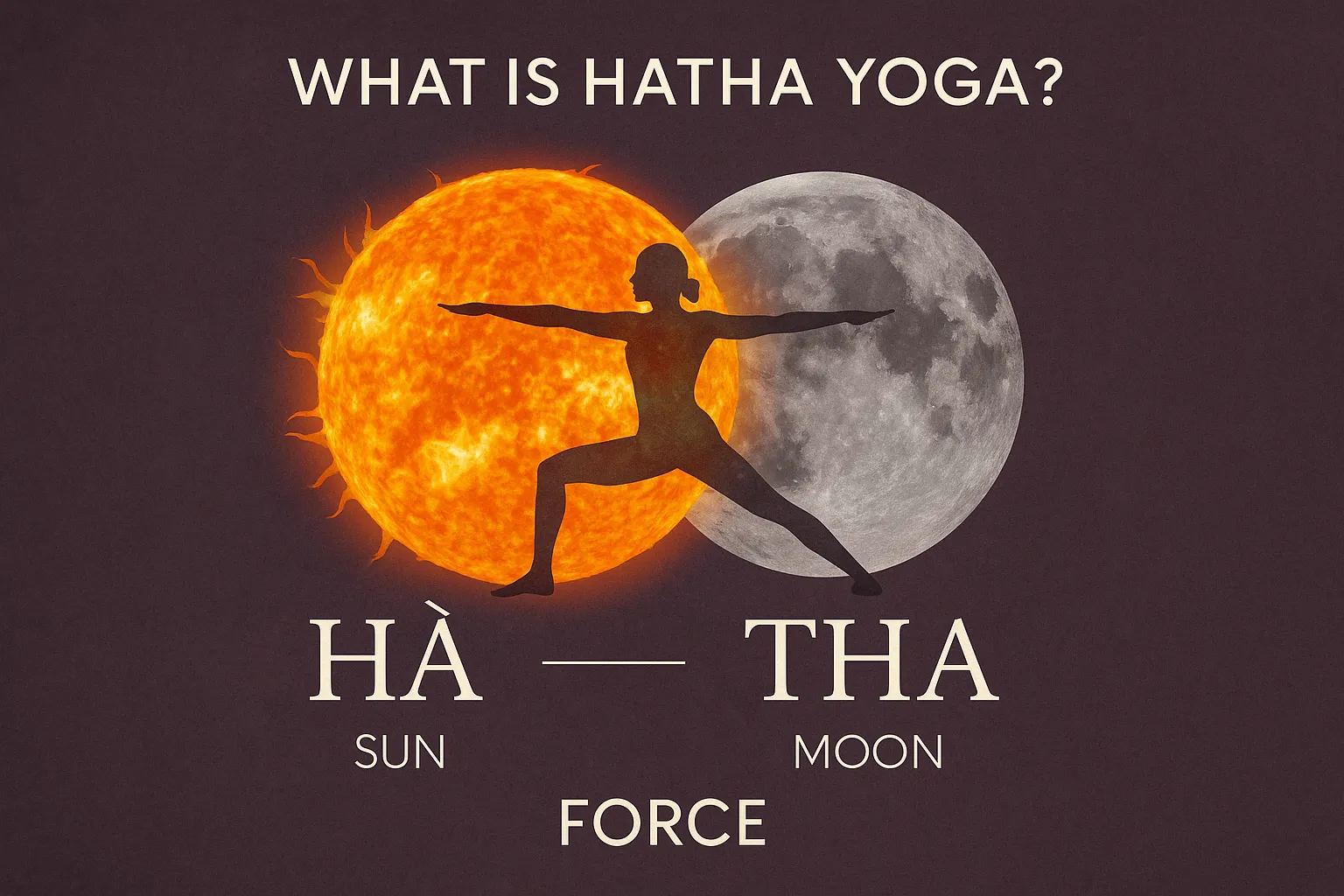
Discover the meaning of Hatha yoga, its ancient origins in India, and how this traditional practice balances opposing energies for holistic well-being.


You've heard of yin and yang. But have you heard of yin yang yoga? Explore what it is here and then try it out for yourself!

Did you know yoga improves brain health? Learn how yoga helps Alzheimer's and dementia patients live better, healthier lives.


© Copyright 2025 MyYogaTeacher Inc


